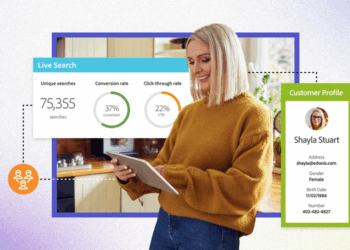
Tech moves fast no surprise there. If you’re working in digital marketing, you know last year’s tactics can start to feel old in no time. So, what’s next? In 2026, it’s about being gutsy, leaning on smart data, and rolling with whatever comes. Online audiences are quick to bounce. Miss your moment and someone else gets the win.
AI-Driven Personalization
AI isn’t some far-off thing anymore. It’s just how things work now. Brands use it to really understand what their audience wants, sometimes even before the audience does. There’s no magic just tools that watch, spot patterns, and act on them. Machine learning helps brands catch people right when they care, so everything feels real, not forced. Read your audience well and they stay with you. That’s how you get ahead.
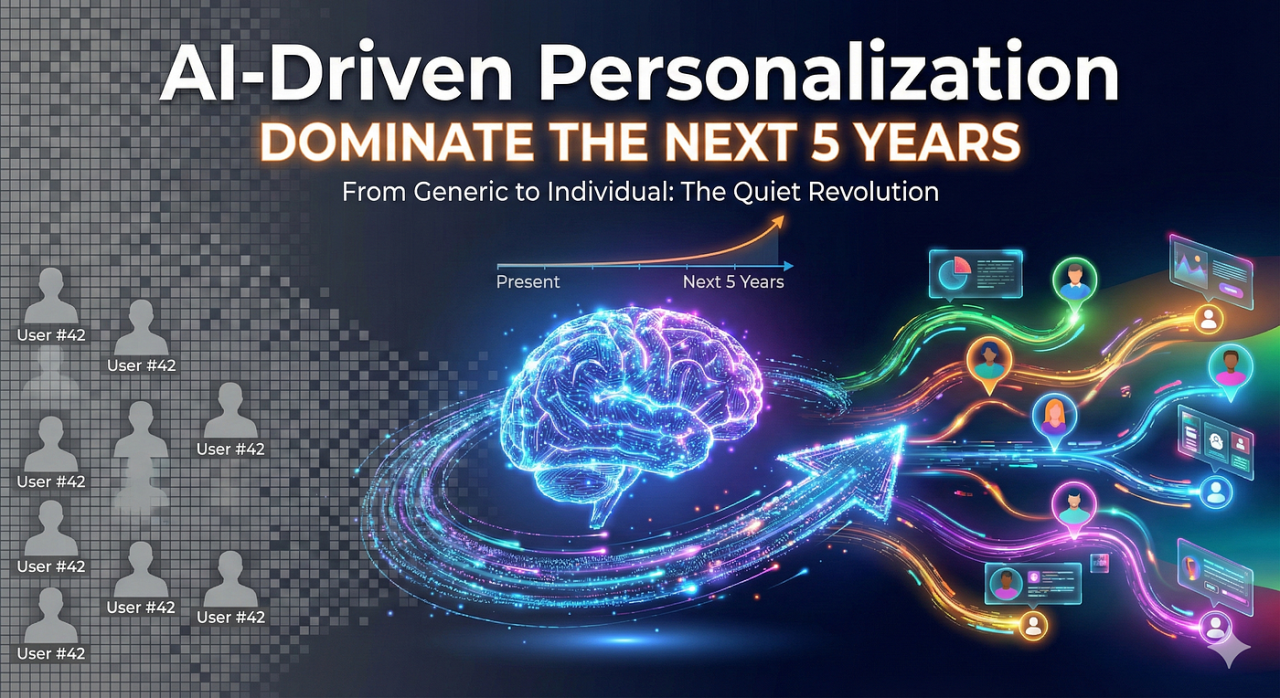
Benefits of AI-Driven Personalization
AI-driven personalization offers more than just convenience it creates meaningful and measurable impact for both businesses and customers. Here are some key benefits:
● Improved Customer Experience
By delivering content, products, and recommendations tailored to individual preferences, brands create smoother and more enjoyable user journeys.
● Higher Engagement Rates
Personalized messages naturally capture attention. As a result, users are more likely to interact with emails, ads, and content that feels relevant to them.
● Increased Conversion Rates
When customers see what they actually need at the right time, they are more likely to take action whether it’s making a purchase or signing up for a service.
● Better Use of Marketing Budget
Instead of broad, generic campaigns, AI helps target the right audience segments. Consequently, businesses reduce wasted spend and improve ROI.

● Real-Time Decision Making
AI systems can instantly analyze behavior and adjust content or offers. This allows brands to respond quickly to changing customer needs.
● Competitive Advantage
Brands that adopt AI-driven personalization early are more likely to stand out in crowded markets and stay ahead of evolving consumer expectations.
Voice and Visual Search Are Changing SEO
Nobody’s typing in keywords the same way—they’re talking to their phones or snapping a picture and searching that way. So, SEO isn’t about cramming in terms anymore. You need to think about how people talk and what they actually want. Do that and you’ll stand out.
Key Changes to SEO Strategies :
▪︎ Conversational Queries (Voice): Voice searches use longer, question-based phrases (“Where is the nearest…?”) rather than keywords (“best pizza NYC”).
▪︎ Image-Based Discovery (Visual): Visual search tools, such as Google Lens or Pinterest, allow users to find products or information by taking pictures rather than typing.
▪︎ “Position Zero” Focus: Voice assistants (Siri, Alexa, Google Assistant) typically provide one answer sourced from Google’s Featured Snippets.
▪︎ Increased Mobile-First Focus: Because voice and visual search are primarily used on phones, mobile-friendly sites with fast loading times are prioritized.
Authentic Content Wins
You can scroll past a million posts in a day, but the stories that ring true stop you in your tracks. People are tired of shiny, fake ads and over-done photos. They want to see who’s really behind the brand. Actual opinions, honest reviews—people can tell the difference between a script and something real. Be yourself. Show that real side. If you do, people notice, and they stick.
Here are specific examples and strategies demonstrating why authentic content wins :
User-Generated Content (UGC) as “Social Proof
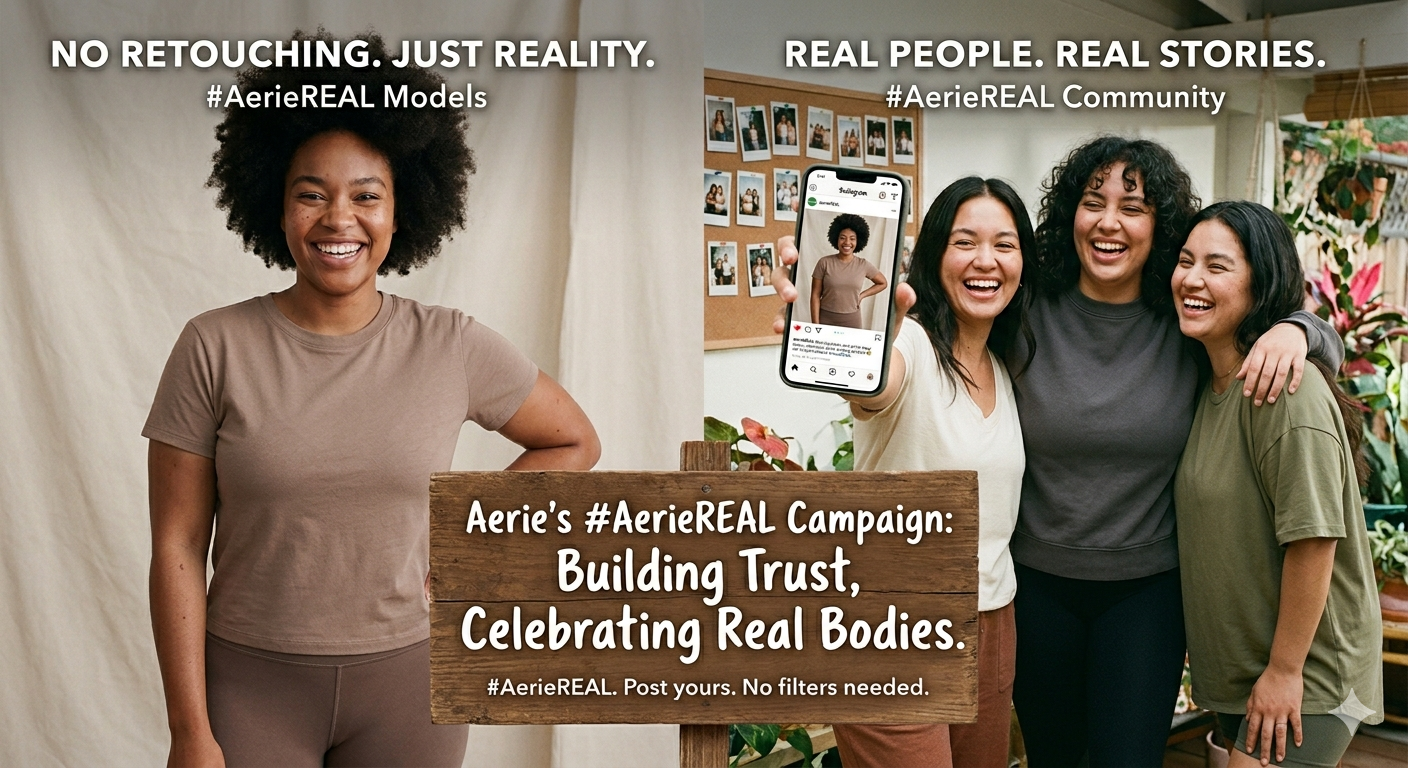
Aerie’s #AerieREAL Campaign: Aerie stopped airbrushing their models and encouraged customers to post their own photos using the hashtag #AerieREAL. This commitment to real body images built immense trust, aligning with a body-positive brand identity.
Social Commerce Just Happens
Social media isn’t just about killing time it’s become a place to shop without thinking about it. See something you like? You’re buying it right there. Brands that make shopping easy really do win. By 2026, social platforms have evolved into fully functional, closed-loop commerce ecosystems, with global social commerce sales projected to surpass $2.6 trillion.
Here is why “social commerce just happens” is the defining retail mindset for 2026:The “Always-On” Shopping ExperienceSocial media has shifted from a place for entertainment to a primary shopping destination, reducing the path from discovery to purchase :
● Feed-Based Discovery : Algorithms now curate products based on behavior and preferences, often presenting items before a user actively searches for them.
● Frictionless In-App Checkout : Platforms like TikTok Shop, Instagram Shopping, and YouTube Shopping allow
users to purchase directly, removing the need to leave the app and visit an external website.
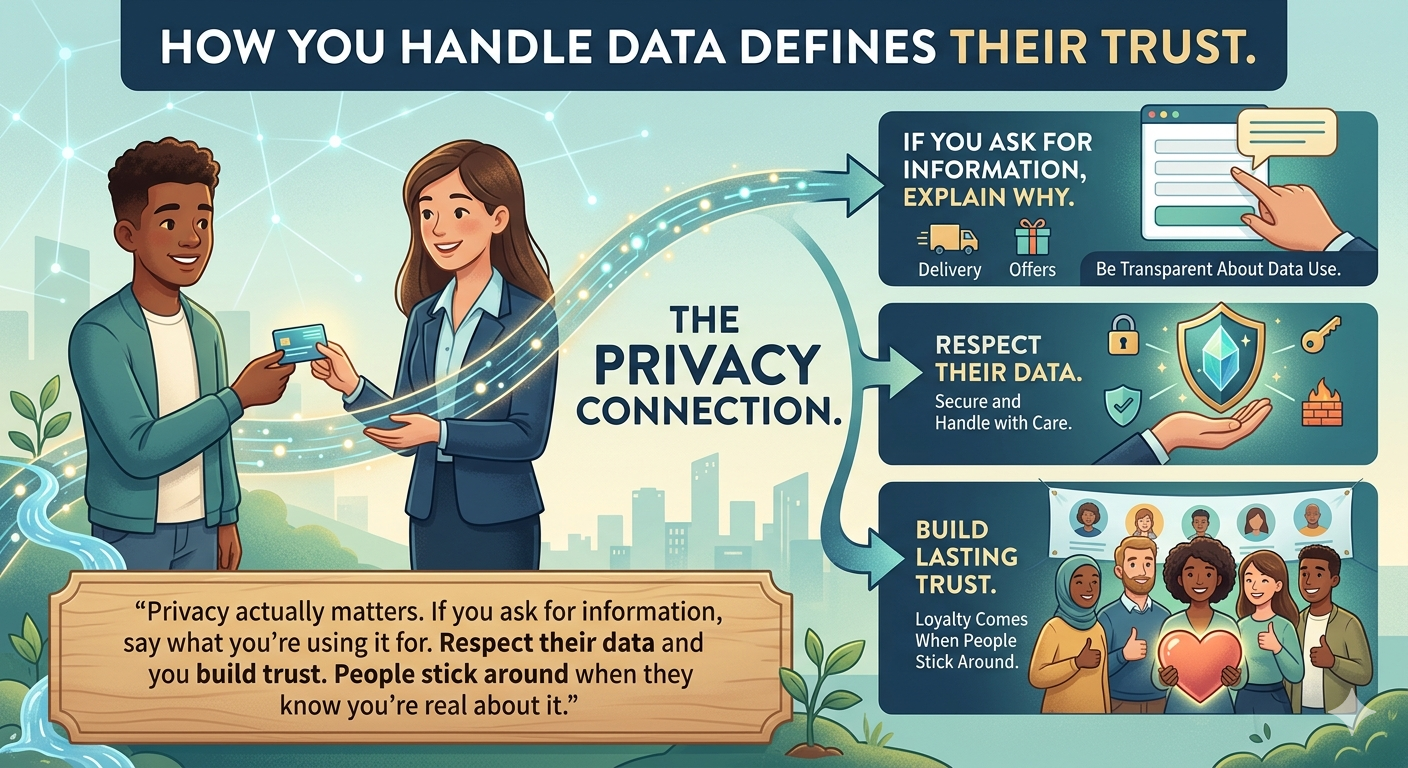
People Notice How You Handle Their Data
Privacy actually matters. If you ask for information, say what you’re using it for. Respect their data and you build trust. People stick around when they know you’re real about it.
Conclusion
Digital marketing in 2026 moves at a crazy pace, but it’s always about people. Try new tools, don’t ignore how search and shopping change, and pay attention when your audience talks. Tech’s not slowing down. Stay curious, stay aware that’s how to keep your edge.