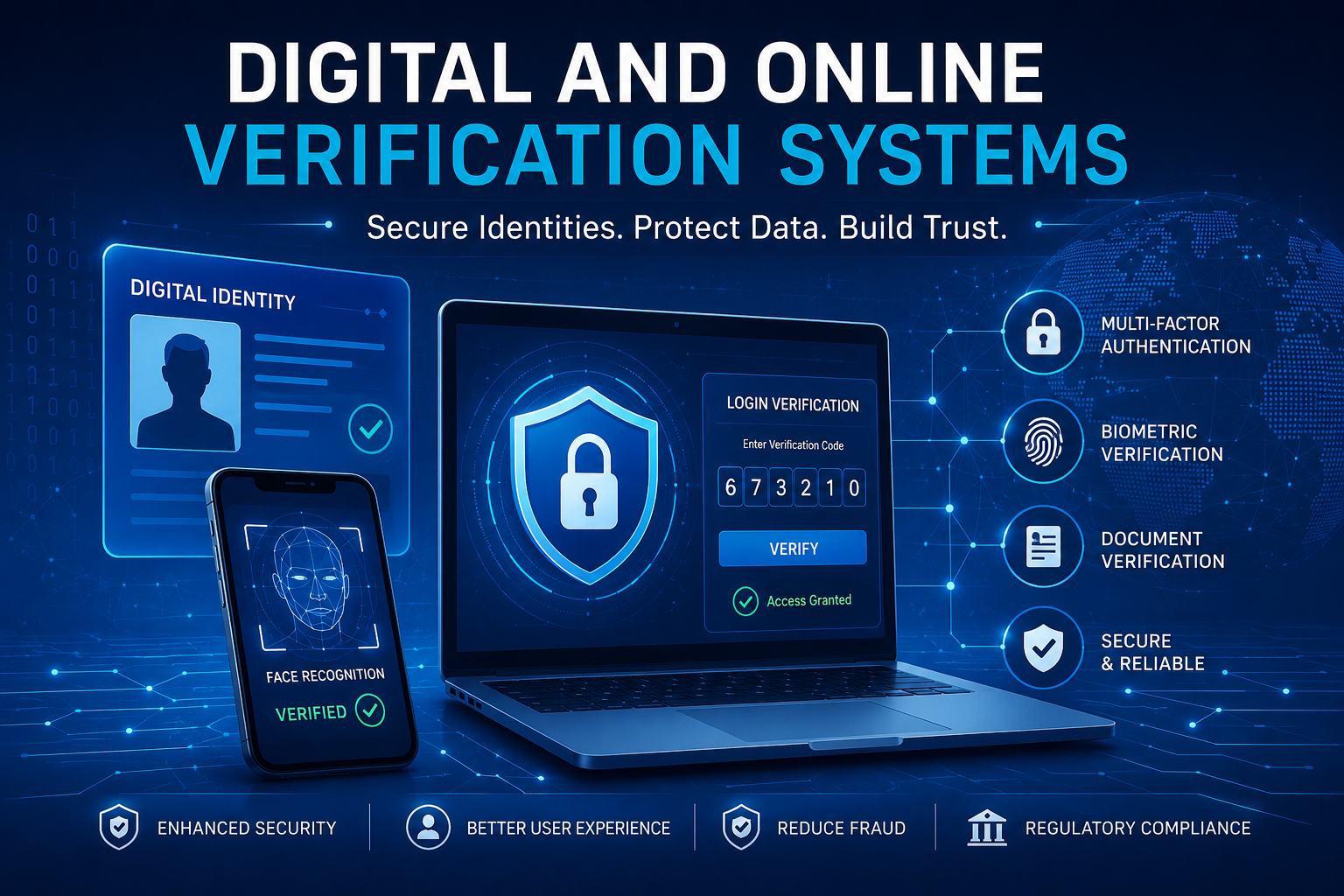
In todays world, where everyone is connected to the internet, digital identity and online verification systems are very important for people to interact online. When people use banking, shop on the internet or sign contracts it is crucial to verify their digital identity. As online threats get more complicated companies and governments are using verification technologies to protect information and make things easier for people who use these services. Digital identity and online verification systems are really important for interactions.
Why Digital Identity Matters
A digital identity is like a collection of information that represents a person or an organization on the internet. This can include usernames, passwords, biometric data, government-issued IDs and digital certificates. So a reliable digital identity helps people access services quickly and securely. Digital identity is important for people to access services online.
Also companies benefit from security and less fraud. Of just using passwords modern digital identity systems use multiple authentication methods making it much harder for unauthorized people to access information. This helps companies to reduce fraud and improve security. Digital identity and online verification systems are important for companies to reduce fraud.
Example of Digital Identity in Everyday Life
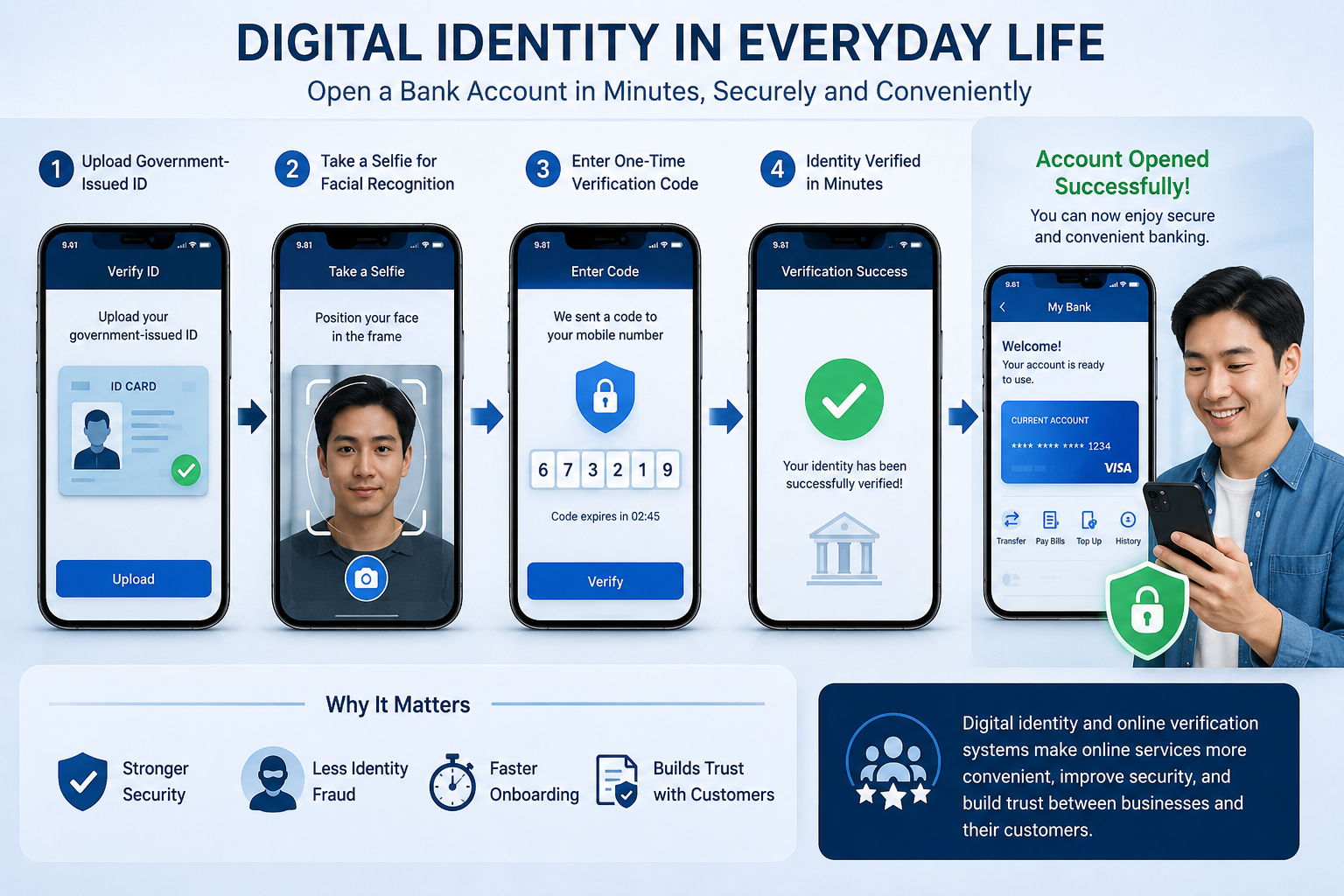
Imagine a customer who wants to open a bank account through a mobile banking app. Instead of visiting a physical branch, the customer uploads a government-issued ID, takes a selfie for facial recognition, and enters a one-time verification code sent to their smartphone. The system compares the selfie with the ID photo and verifies the customer’s identity within minutes. As a result, the customer can access banking services quickly and securely, while the bank reduces the risk of identity fraud and unauthorized account creation.
This example shows how digital identity and online verification systems make online services more convenient, improve security, and build trust between businesses and their customers.
The Rise of Multi-Factor Authentication
One of the ways to verify identities online is Multi-Factor Authentication. This method combines two or more verification factors, such as:

• Something you know like a password or PIN
• Something you have like a device or security key
• Something you’re like a fingerprint or facial recognition
So even if someone gets a password they still have to get past other security barriers to gain access. Multi-Factor Authentication is a method for verifying identities online. Digital identity and online verification systems use Multi-Factor Authentication to verify identities.
New Technologies in Online Verification
Technology is changing how we manage identities. Artificial Intelligence, blockchain and biometric authentication are transforming how digital identities are verified. For example Artificial Intelligence can detect login behavior in time while blockchain provides identity solutions that reduce reliance on centralized databases. Digital identity and online verification systems are using technologies to verify identities.
Also biometric verification is convenient and secure. Facial recognition and fingerprint scanning let people authenticate their identities in seconds making the digital experience smooth. Biometric verification is a way to verify identities online.
Benefits for Companies and People
Using verification systems has advantages, including:
• Better cybersecurity protection
• Less identity theft and fraud
• Faster customer onboarding
• Improved regulatory compliance
• More user satisfaction
So companies that invest in digital identity management protect customer data and strengthen their brand reputation. Digital identity and online verification systems are important for companies to protect customer data. Companies that use identity and online verification systems can build trust with their customers.
Digital identity and online verification systems are the future of security. As online services grow, safe, efficient and user-friendly identity verification will become more important. By using technologies like Multi-Factor Authentication, Artificial Intelligence, blockchain and biometrics companies can build environments. Give customers a smooth and trustworthy online experience. Investing in identity and online verification systems is no longer optional. It is necessary, for long-term success. Digital identity and online verification systems are necessary for companies to succeed in the term.
Conclusion
In conclusion, digital identity and online verification systems have become essential for creating a secure and trustworthy digital environment. As cyber threats continue to evolve, businesses and individuals must rely on advanced technologies such as Multi-Factor Authentication (MFA), Artificial Intelligence (AI), blockchain, and biometric authentication to protect sensitive information and prevent fraud. Moreover, these solutions not only strengthen cybersecurity but also improve user experience by making online interactions faster, safer, and more convenient. Therefore, investing in reliable digital identity and verification systems is no longer just a competitive advantage—it is a fundamental requirement for long-term security, customer trust, and sustainable digital growth.